
Major African trade union bodies have sent a clear message to the neoliberal policymakers who have camped out in the Africa Development Bank (AfDB) for decades. Building on TUED South’s Reclaim and Restore research and organising, unions have come together to challenge the AfDB and the World Bank Group’s proposed “private sector led” effort to bring electricity to 300 million Africans by 2030.
In a joint statement released at the AfDB’s annual meeting in Brazzaville, Congo, this week, Public Services International (PSI) IndustriALL Global Union (IGU), and the Africa Region of the International Trade Union Confederation (ITUC Africa) issued an African Workers Position on the African Development Bank’s (AfDB) “Mission 300” Initiative to connect 300 million Africans to electricity by 2030.
A PSI press release of May 27th noted that, “the African Development Bank’s Mission 300 is repeating the same private-sector model that left 600 million people in sub-Saharan Africa without electricity. We are calling for stronger public utilities and public investment to deliver affordable electricity and avoid pushing more debt onto African governments.” A statement by IGU questioned whether ambition will be matched by meaningful changes in delivery and raised concerns on privatization.
On June 1st, TUED’s Sean Sweeney was interviewed on Gabz-FM radio based in Gaborone, Botswana on the content and significance of the African Workers Statement.
“We are deeply concerned that Mission 300 marks a continuation of the neoliberal approach to electrification. The policies proposed under Mission 300 are almost identical to the AfDB’s New Deal on Energy for Africa initiative which was launched a decade ago. The New Deal pledged to mobilise private investment to achieve 100% access in urban areas and 95% access in rural areas by 2025. With 50% of sub-Saharan Africans still without electricity at the beginning of 2026 – or roughly 600 million people – the New Deal was a spectacular failure…Ensuring the wellbeing and livelihoods of six-hundred million Africans without electricity is our priority. But this will require a new set of policies that can rebuild and improve Africa’s public utilities.”
“Mission 300 likely faces a similar fate because it also relies on ‘crowding in’ private investment by creating “bankable projects” for private interests. The World Bank Group and the AfDB have pledged to mobilise $48 billion concessional financing, but this financing will be contingent upon governments using the finance to “de-risk” the investments of private companies.”
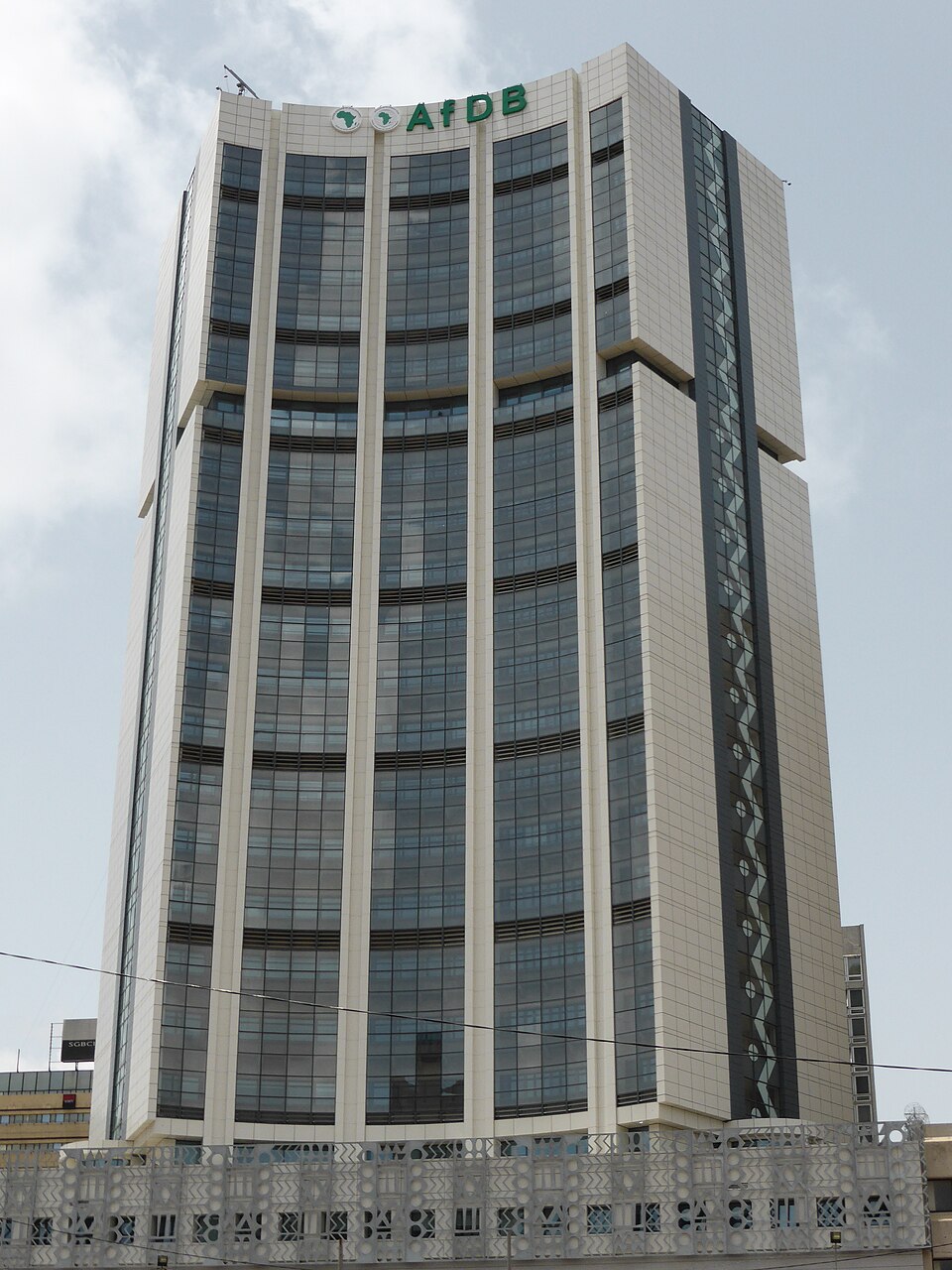
The statement urged both the AfDB and the World Bank group and the African Union (which is part of the G20, as is South Africa) to adopt a Reclaim & Restore (R&R) alternative to addressing the lack of access to electricity. This approach focuses on providing adequate financial and technical support for public utilities so that they can pursue electrification goals in a planned and orderly way….we encourage the Bank and the AU to take a close look at Mexico’s decision to rebuild its public utility and to assign to it a range of energy transition responsibilities, including the expansion of transmission and distribution infrastructure, the deployment of publicly owned renewable energy, and the allocation of final investment decisions to the government, not risk-averse independent power producers (IPPs) whose main priority is to secure returns on investment.The Bank acknowledges that the utilities are the ‘weakest link’ in the energy transition in Africa.
The current policy makes that link weaker still in order to create space for the private sector, but the private sector has yet to show up.
Upcoming Bulletin:
Southern African Unions (SATUCC) Move Into Campaign Mode on Mission 300, Reclaim & Restore
.png)


